EADV 2026 Scientific Presentation
Acneiform Rash from EGFR Inhibitor Therapy: Durable, Mechanism-Directed Reduction with Topical LUT014 (B-Raf Inhibitor) in a Phase 2, Randomized, Double-Blind, Placebo-Controlled Trial
- Presenter
- Anisha B. Patel, MD
- Conference
- EADV 2026, Vienna
- Presented
- Trial
- NCT04759664
Authors and affiliations
Anisha B. Patel, MD; Ofer Purim, MD; Zev A. Wainberg, MD; Veronica Rotemberg, MD, PhD; Iman Imanirad, MD; Efrat Dotan, MD; Nicole R. LeBoeuf, MD, MPH; John Khoury, MD; Richard Zuniga, MD; Abhishek Marballi, MD; Esther Tahover, MD; Anil Veluvolu, MD; Samuel Bailey, MD; David B. Greenberg, MD; Adil Akhtar, MD; Omar Pacha, MD; Fiorinda F. Muhaj, MD; J. Randolph Hecht, MD; Kara D. Miller, MS; Lauren M. Guggina, MD; Vanessa Wookey, MD; Pamela Miel, MD; Hema Vankayala, MD; Larisa Ryvo, MD; Ofir Goldberger, PhD; Sumant Ramachandra, MD, PhD; Jonathan E. Benjamin, MD, PhD; Noa Shelach, PhD; Benjamin W. Corn, MD; Mario E. Lacouture, MD; Antoni Ribas, MD, PhD
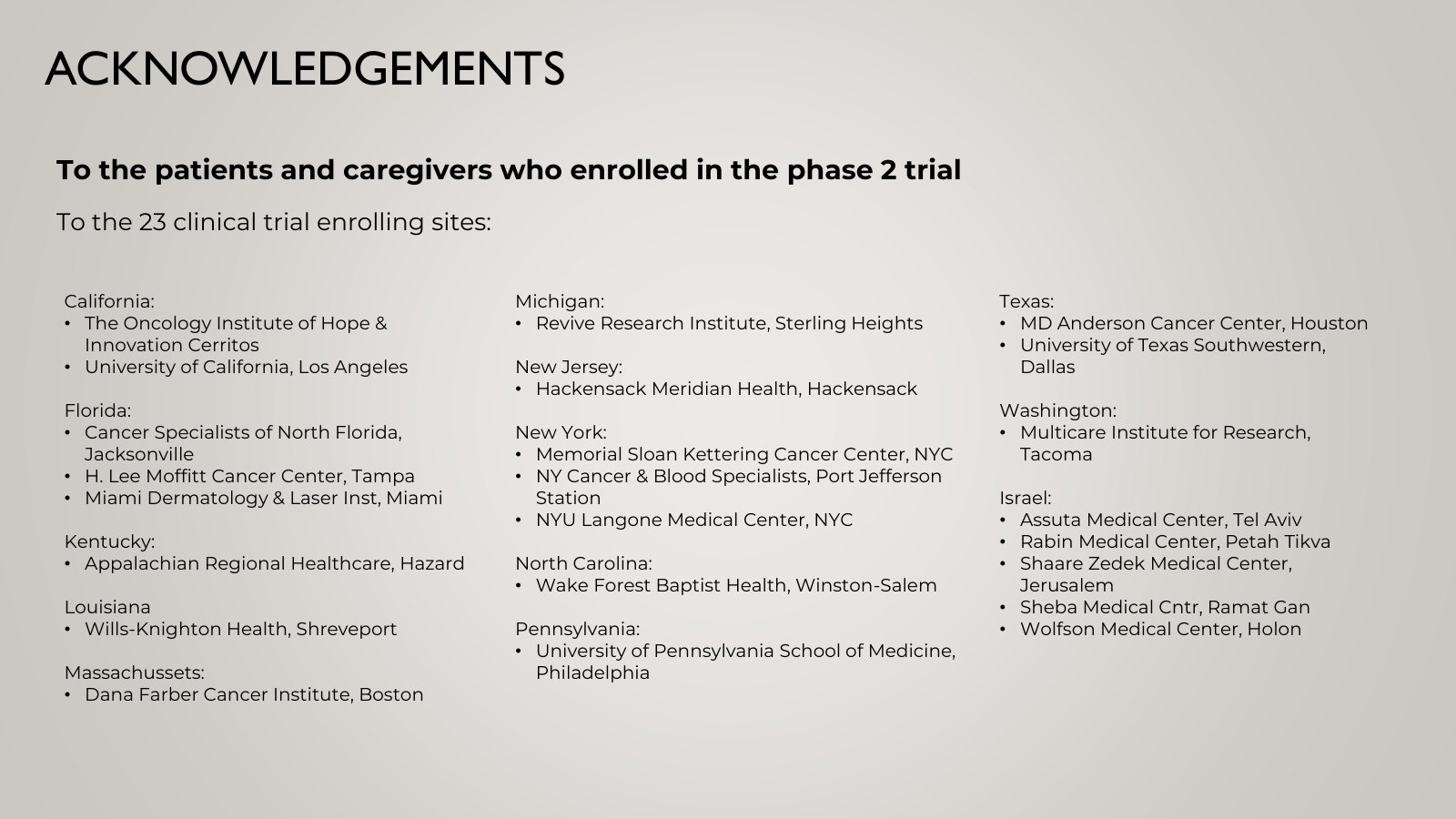
Participating institutions included MD Anderson Cancer Center, Shaare Zedek Medical Center, UCLA Jonsson Comprehensive Cancer Center, Memorial Sloan Kettering Cancer Center, Moffitt Cancer Center, Fox Chase Cancer Center, Dana-Farber/Brigham Cancer Center, The Oncology Institute of Hope & Innovation, Assuta Medical Center, and Lutris Pharma.
Read submitted abstract
Introduction
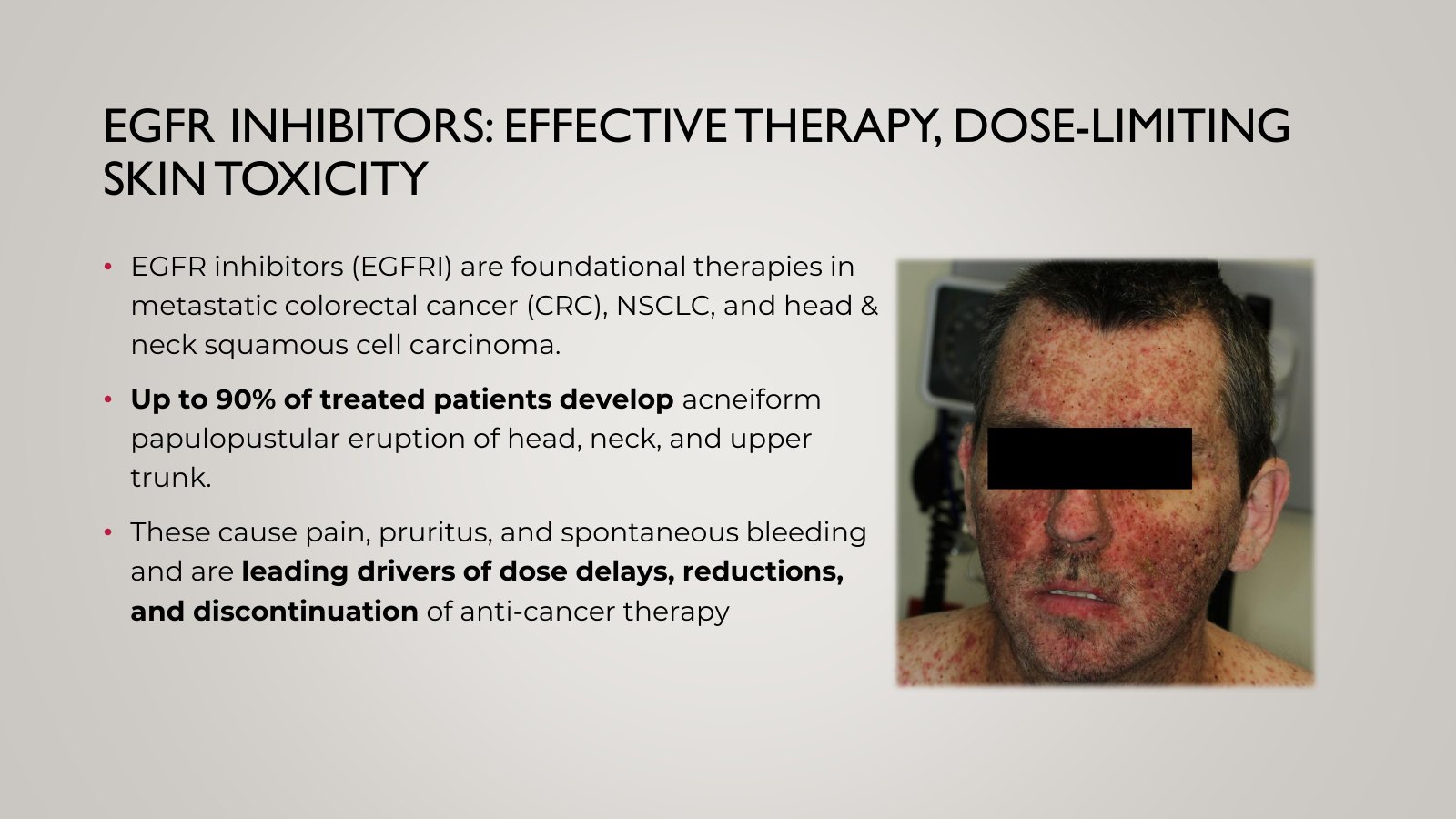
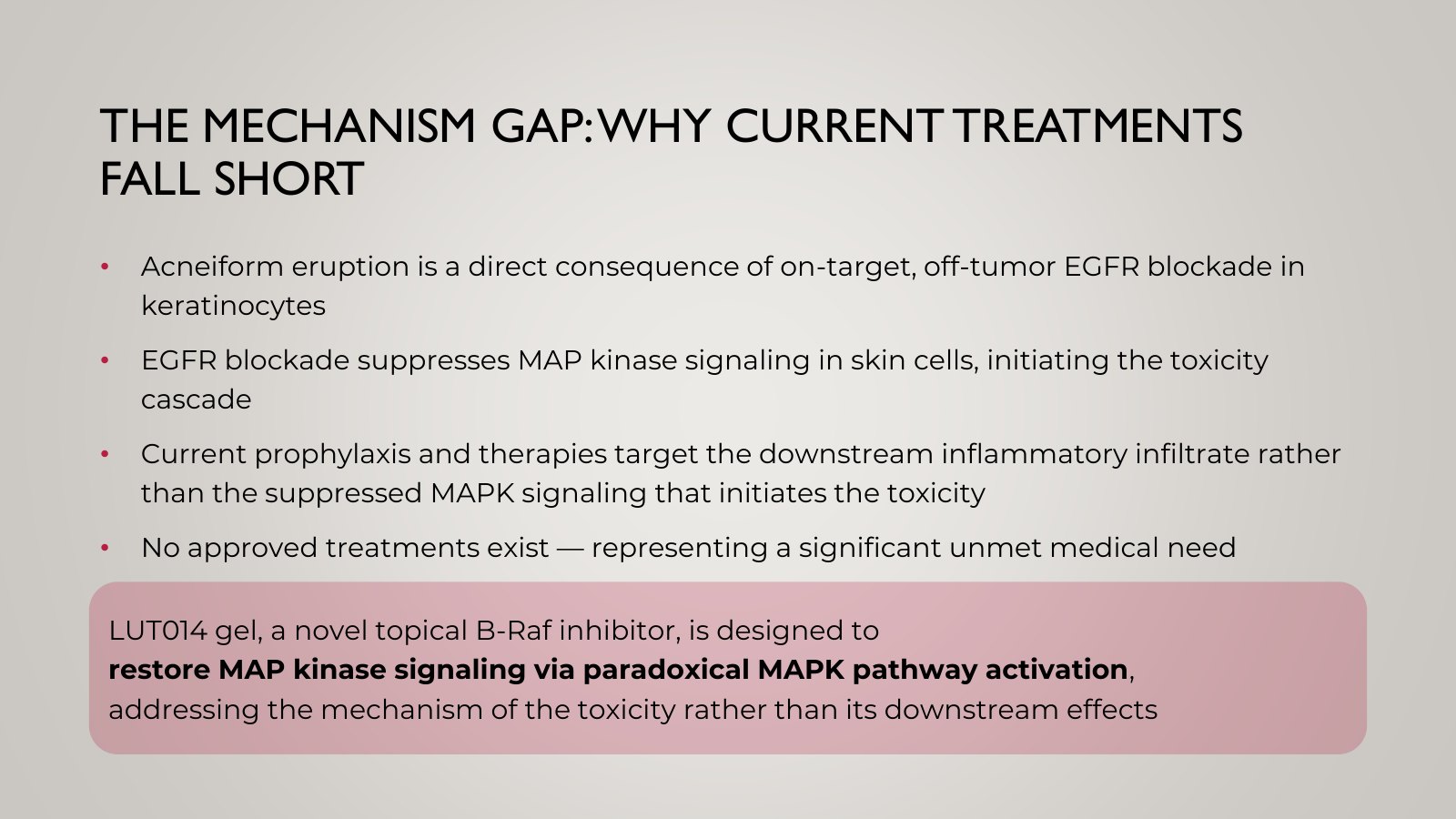
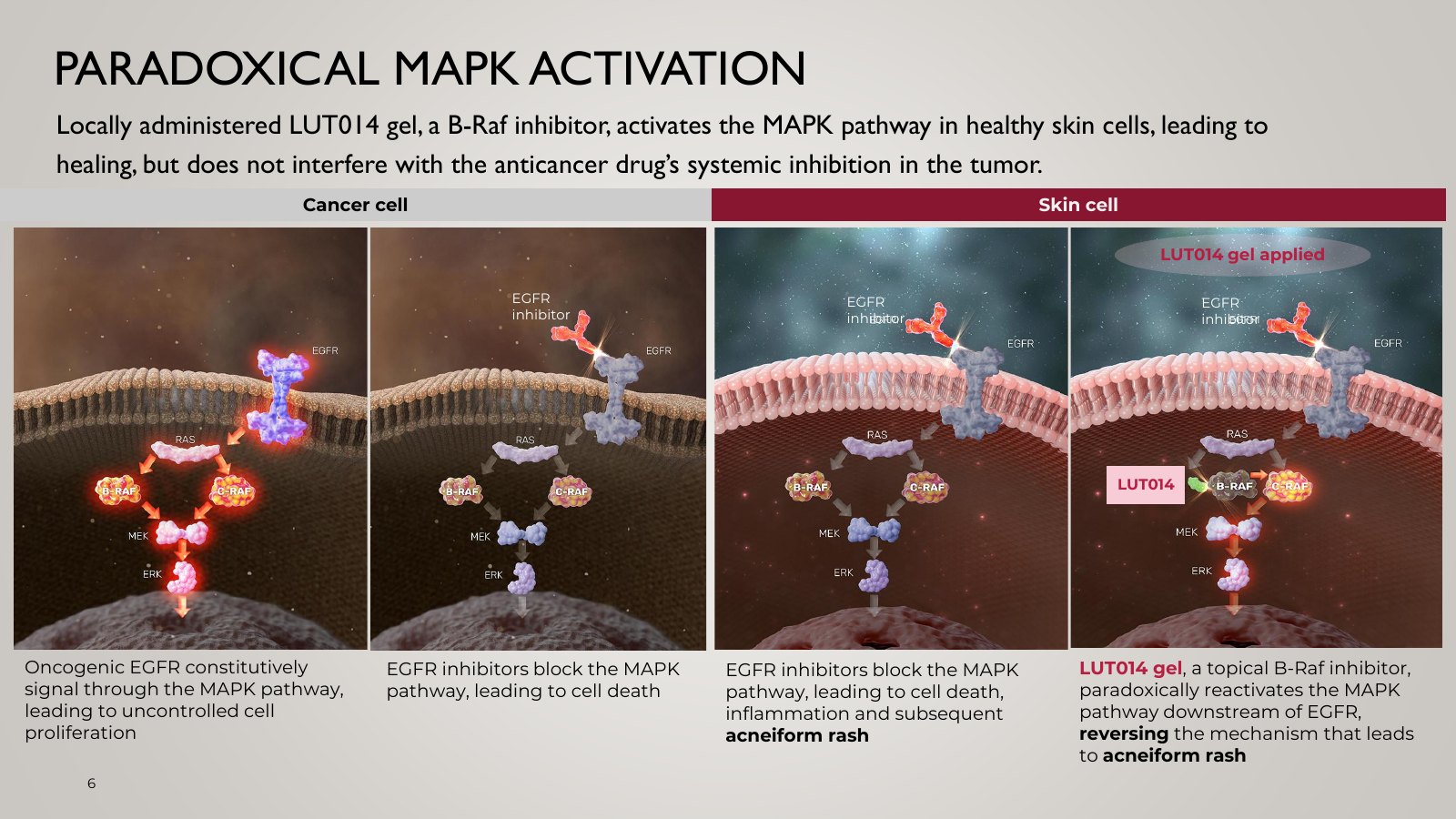
EGFR inhibitors (EGFRI) are foundational therapies in metastatic colorectal cancer (CRC), non-small cell lung cancer, and head and neck squamous cell carcinoma. Acneiform, papulopustular eruption of the head, neck, and upper trunk develops in up to 90% of treated patients and leads to pain, pruritus, and, in severe cases, spontaneous bleeding of the affected areas. Further, this toxicity is a leading driver of dose delays, dose reductions, and discontinuation of anti-cancer therapy. Acneiform eruption is a direct consequence of on-target, off-tumor EGFR blockade in keratinocytes, yet current prophylaxis and therapies target the downstream inflammatory infiltrate rather than the suppressed MAP kinase signaling that initiates the toxicity.
Materials and Methods
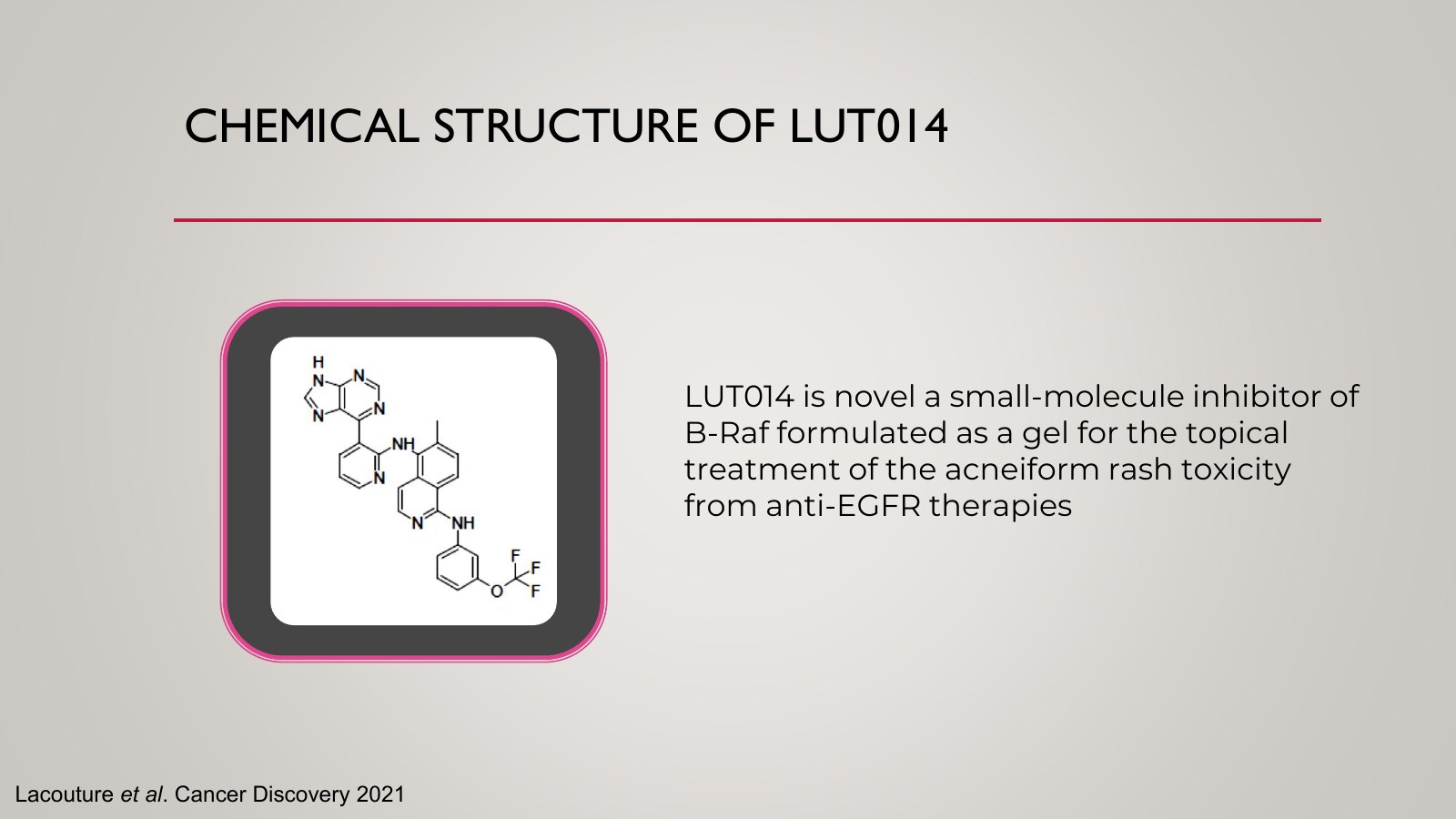
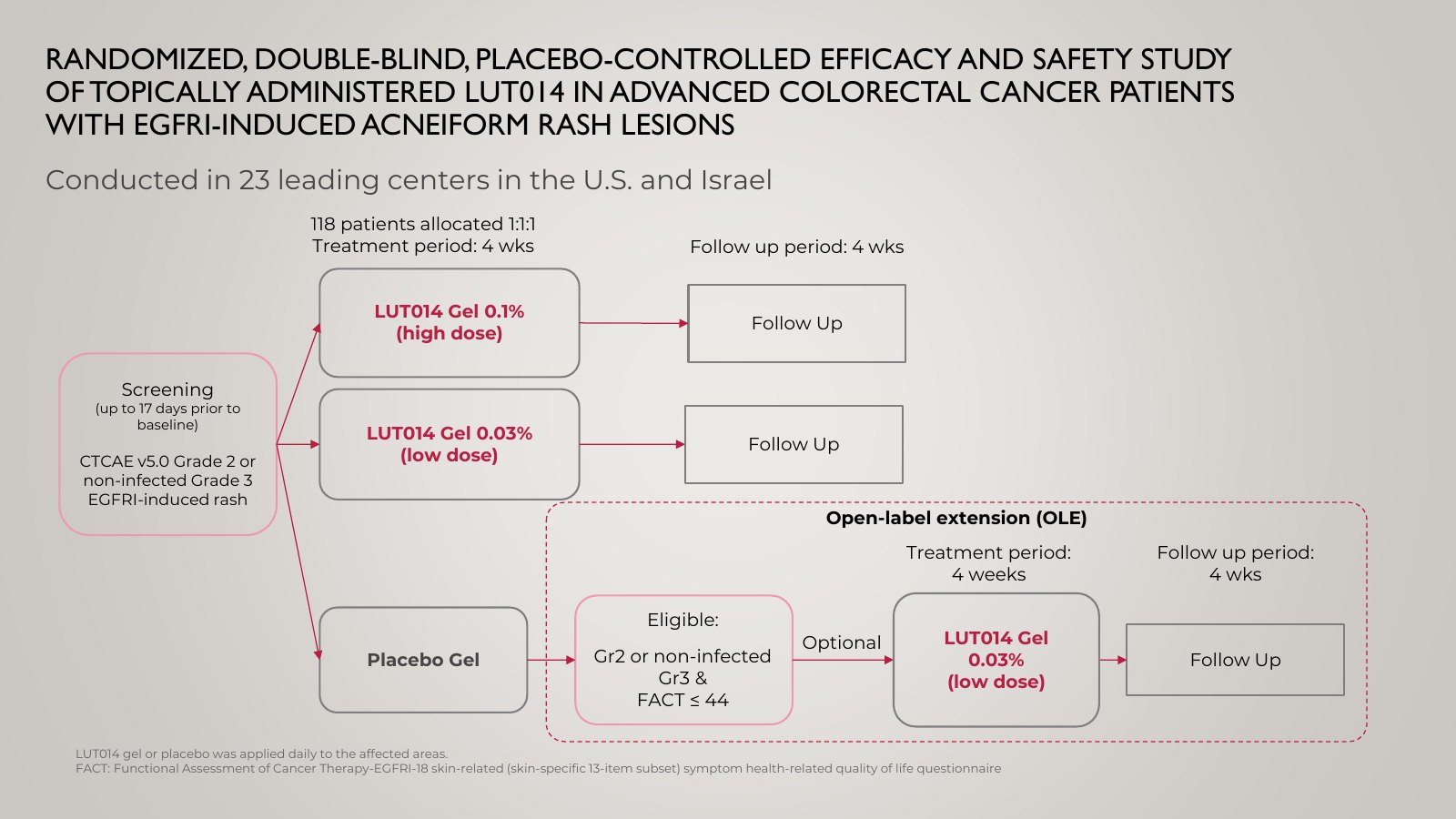
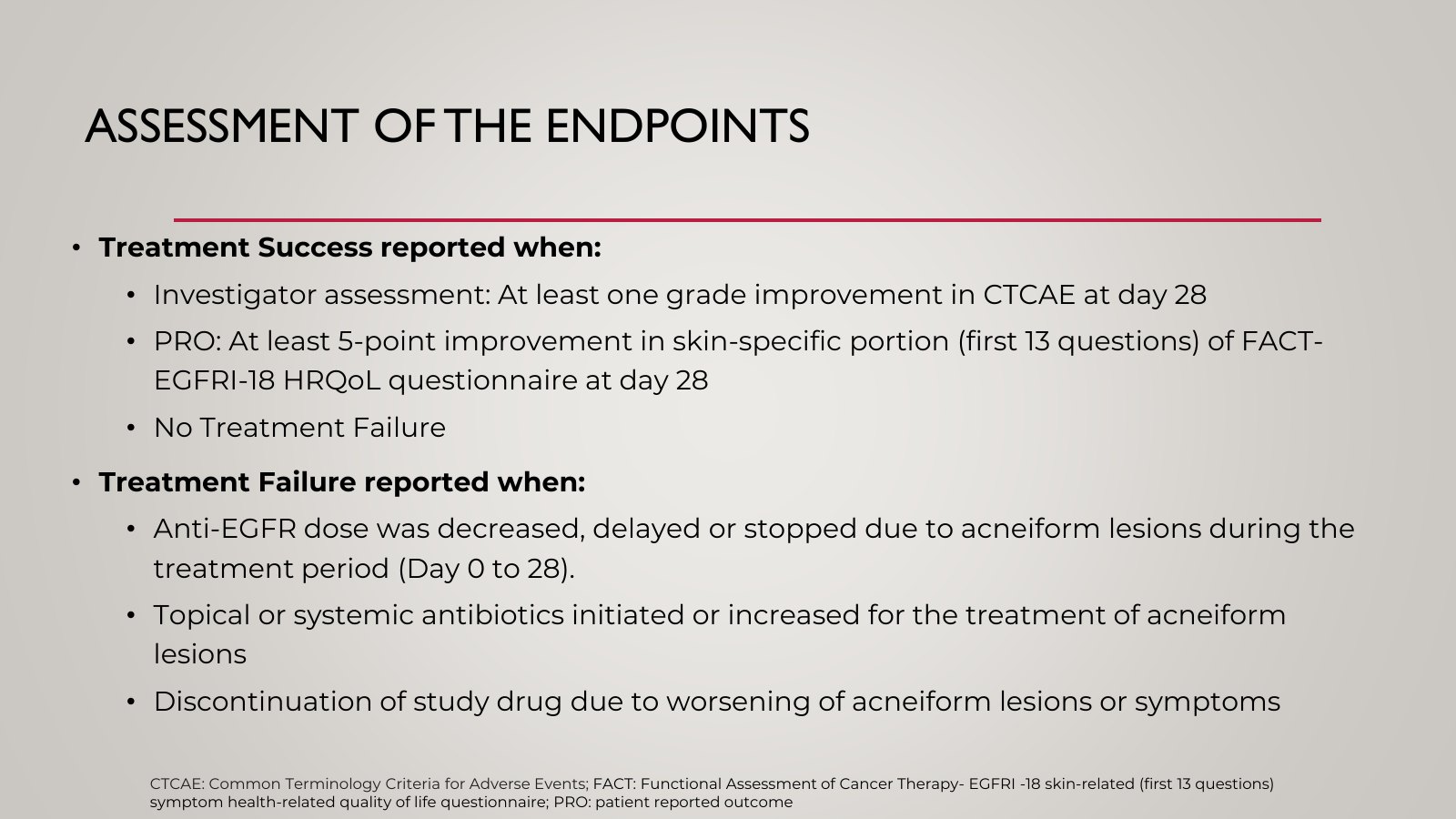
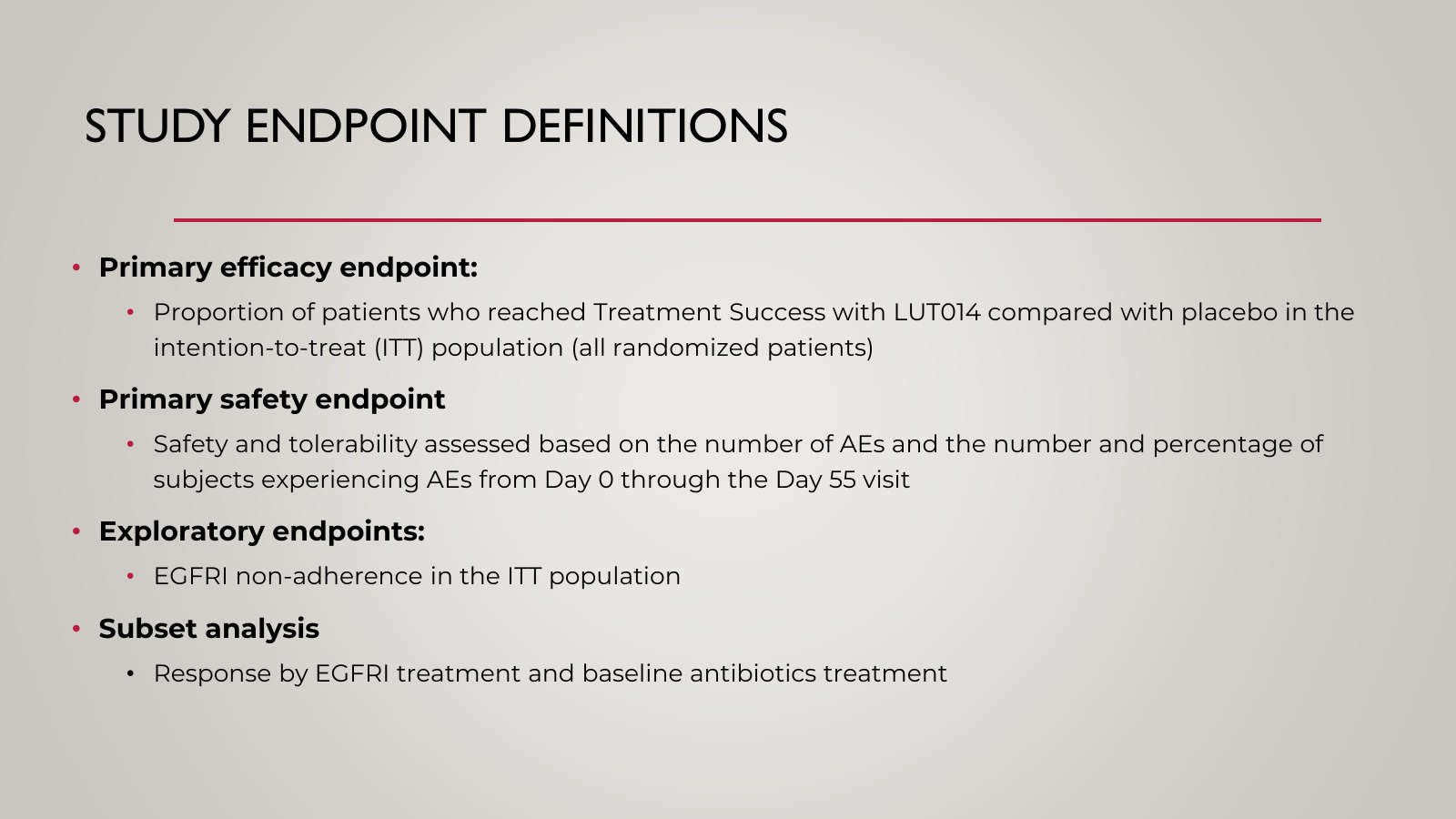
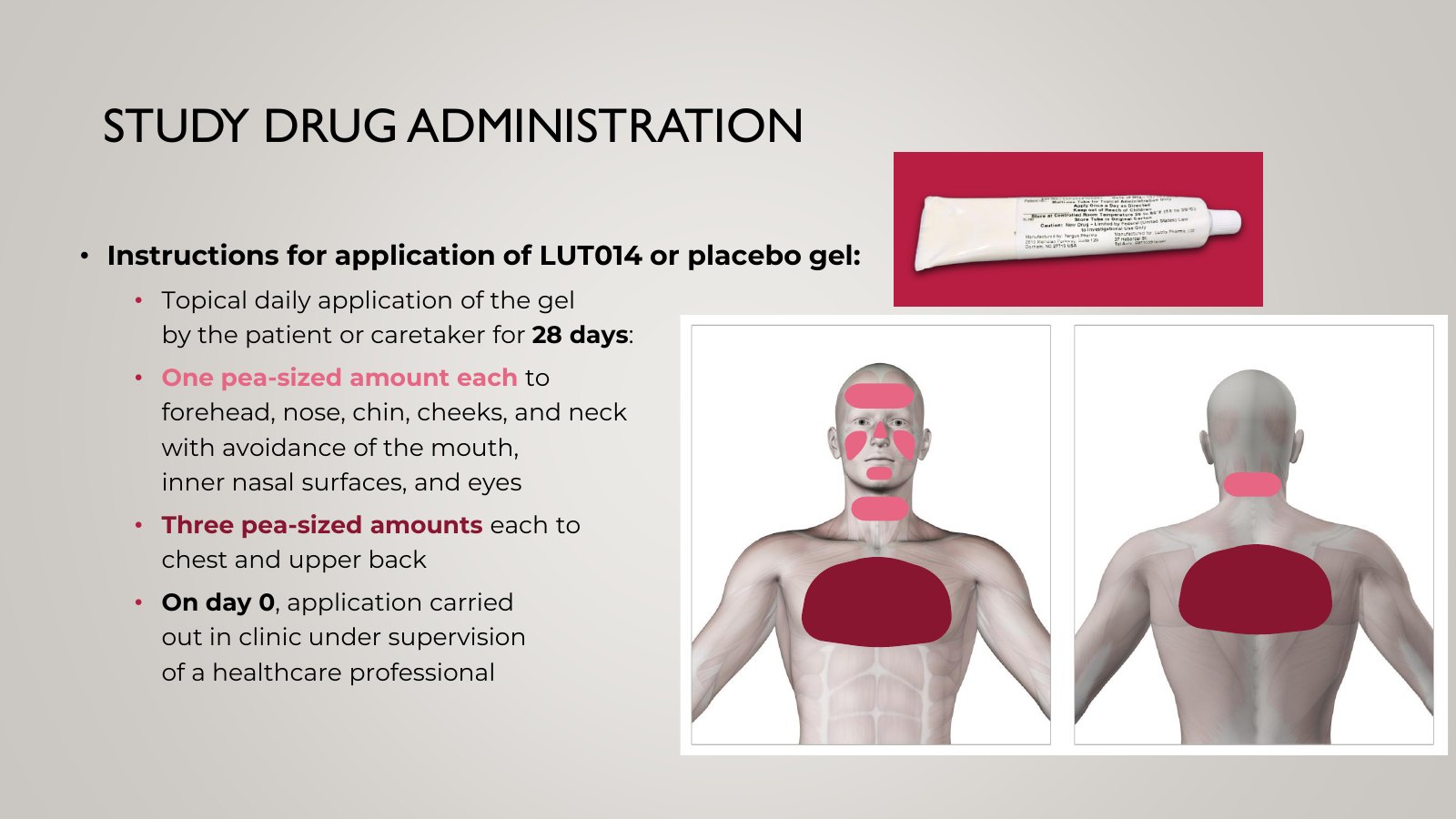
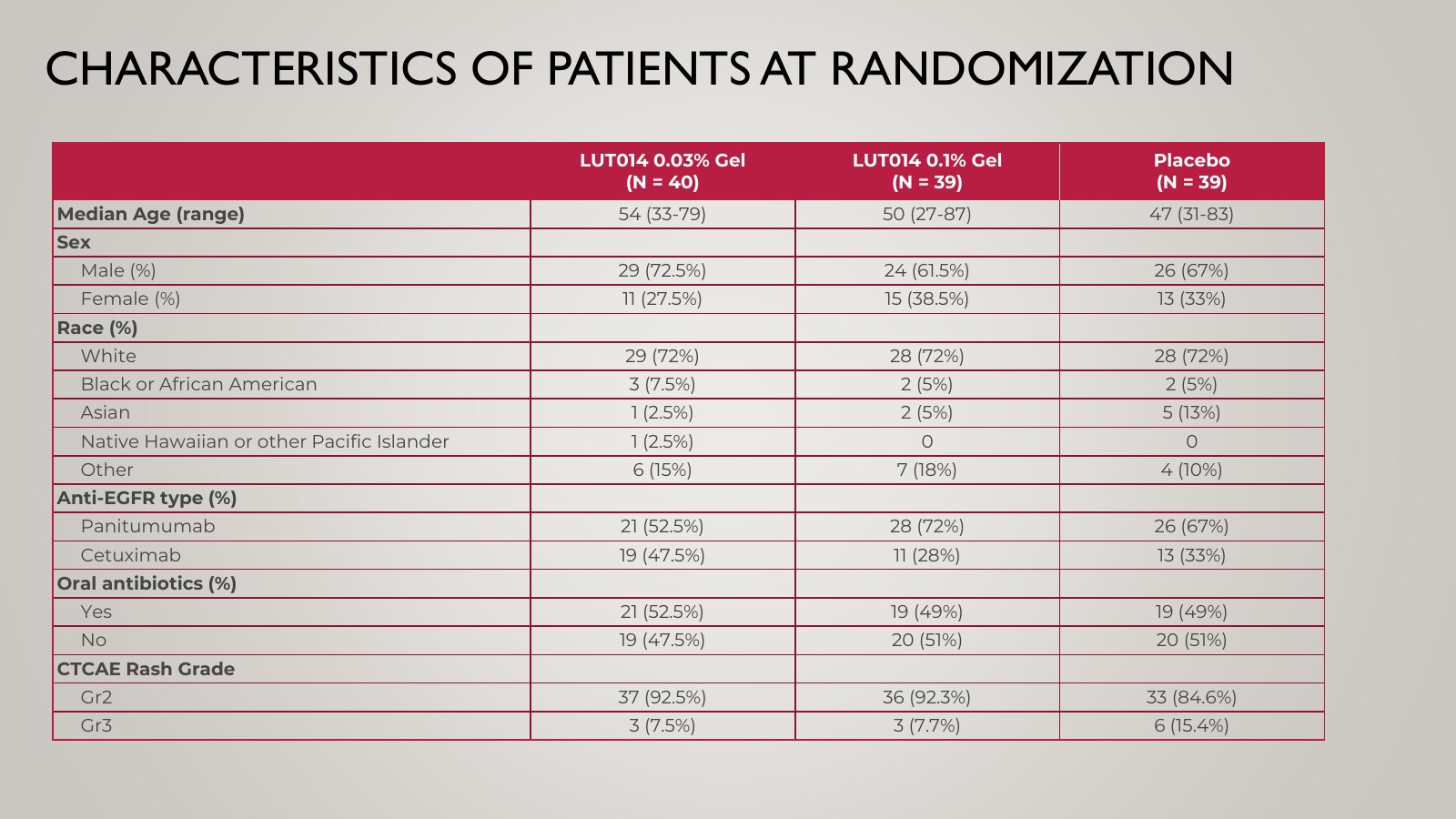
LUT014 gel is a novel topical B-RAF inhibitor designed to restore MAP kinase signaling via paradoxical MAPK pathway activation. In a Phase 2 multi-center, randomized, double-blind, placebo-controlled trial (NCT04759664), 118 adult CRC patients on cetuximab or panitumumab EGFRI with CTCAE v5.0 Grade 2 or non-infected Grade 3 EGFRI-induced rash received LUT014 0.1% gel (n=39), 0.03% gel (n=40), or placebo gel (n=39), applied once daily for 28 days, followed by a 28-day observation period. The composite primary endpoint required at least one grade improvement in CTCAE v5.0 acneiform rash or at least a 5-point improvement in the FACT-EGFRI-18 skin-specific score, and absence of Treatment Failure.
Results
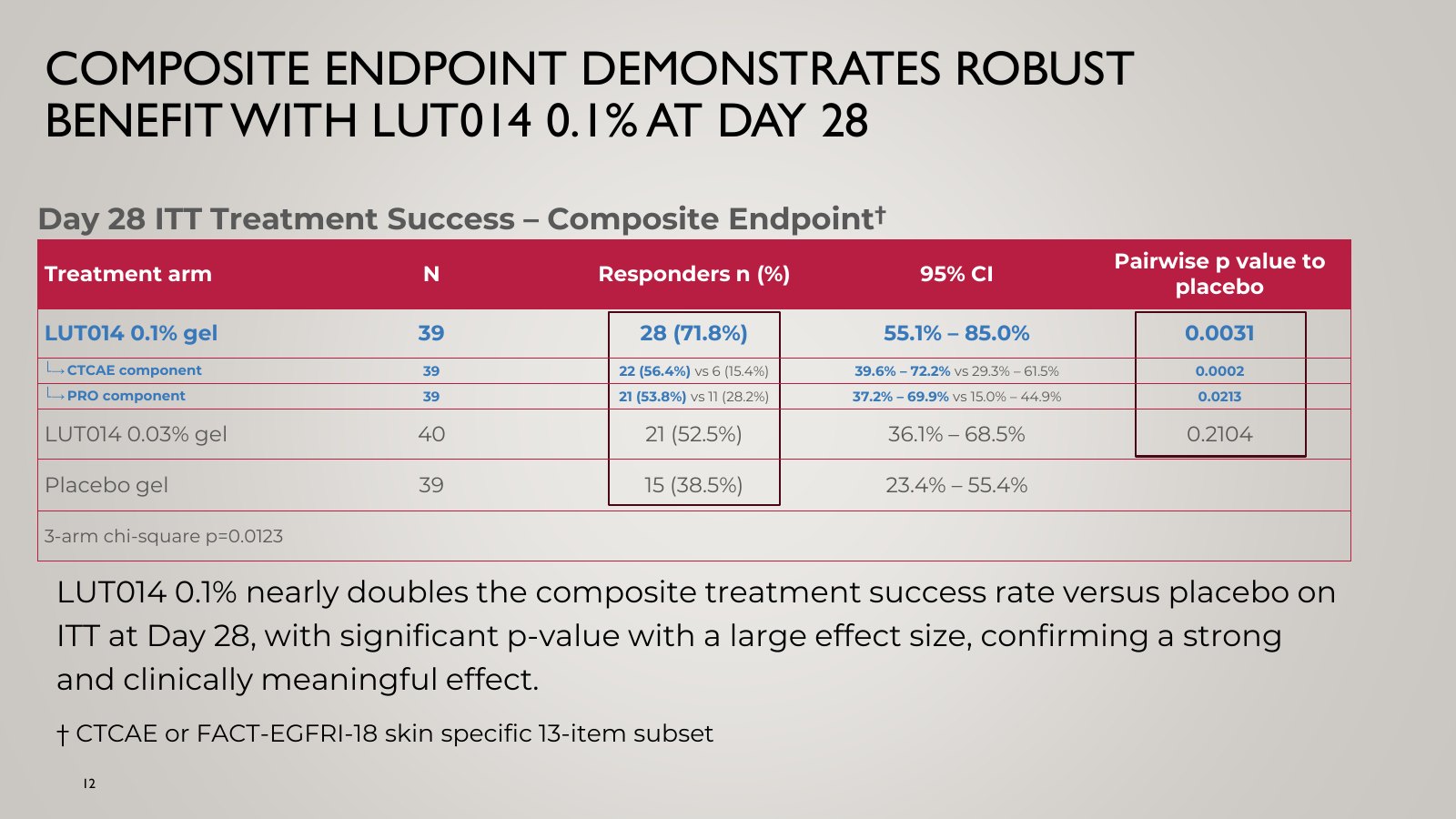
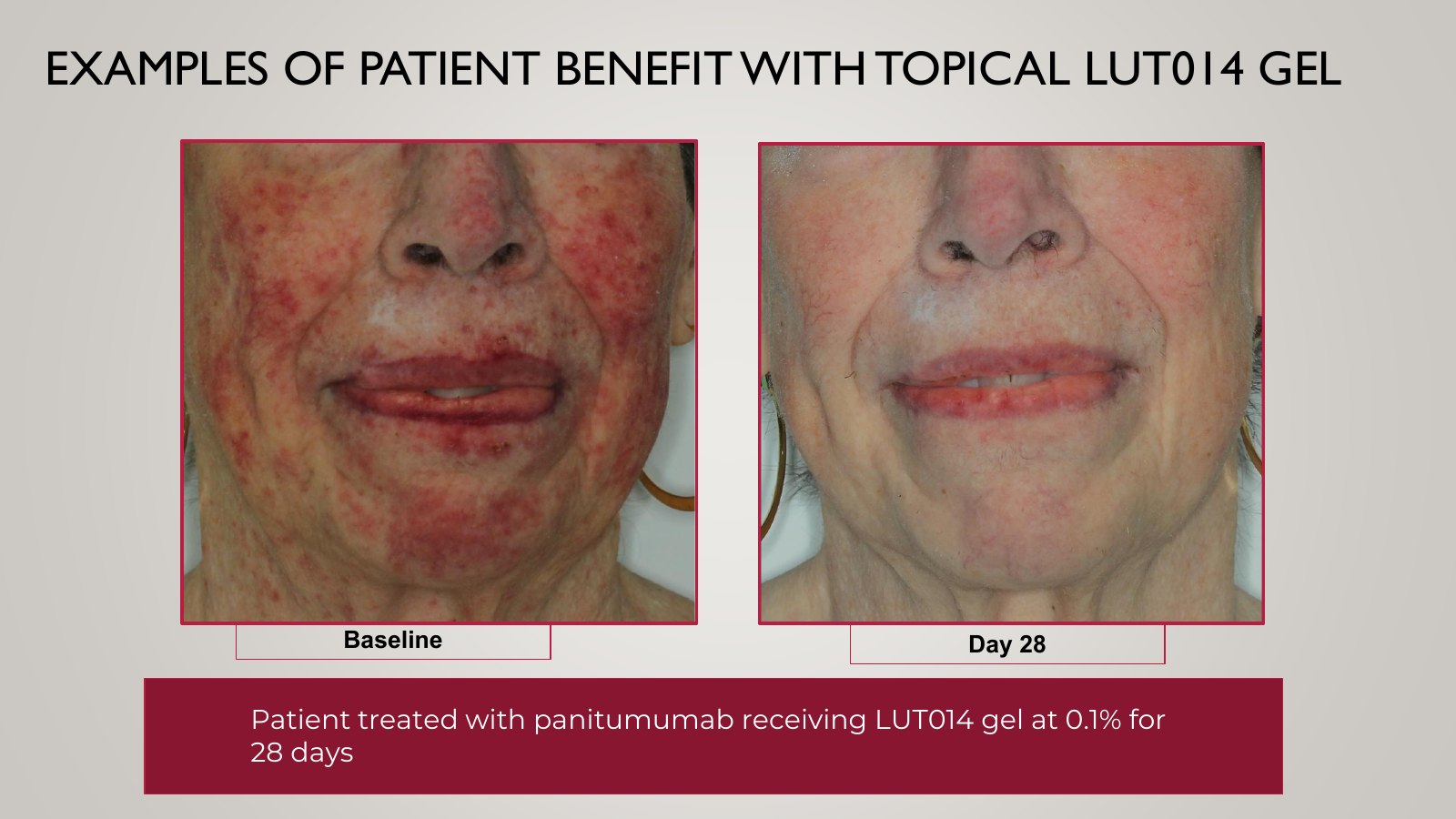
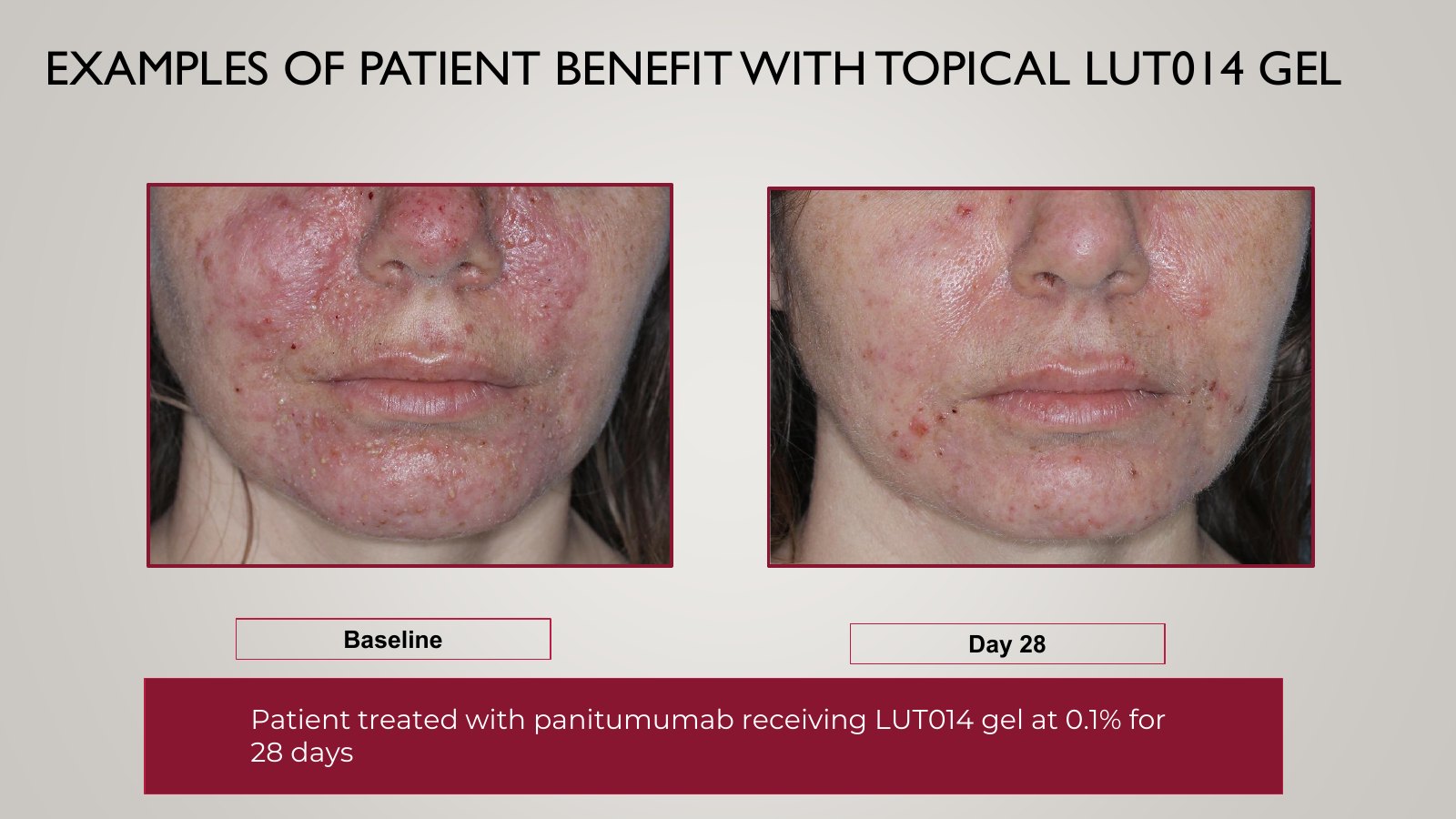
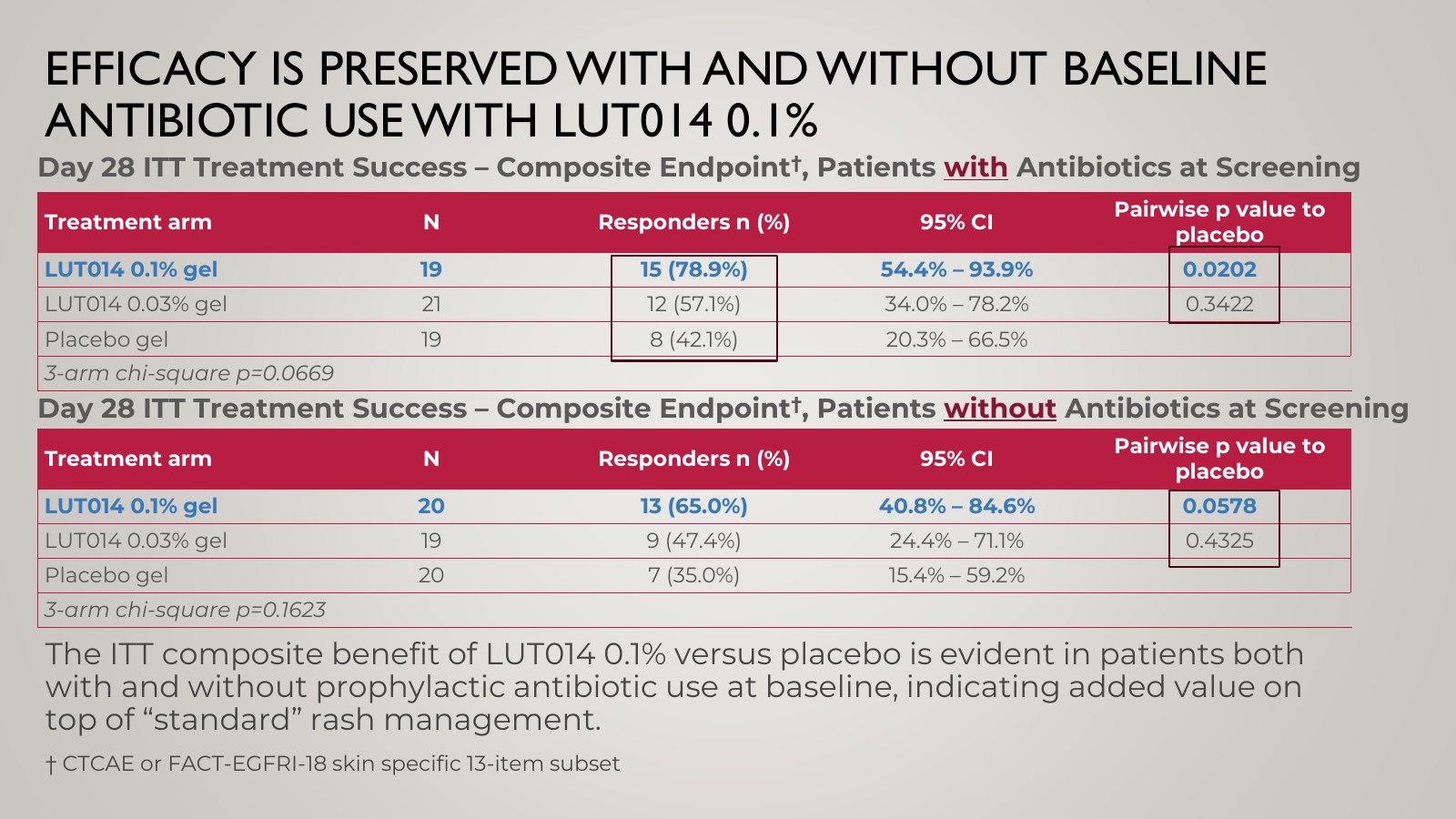
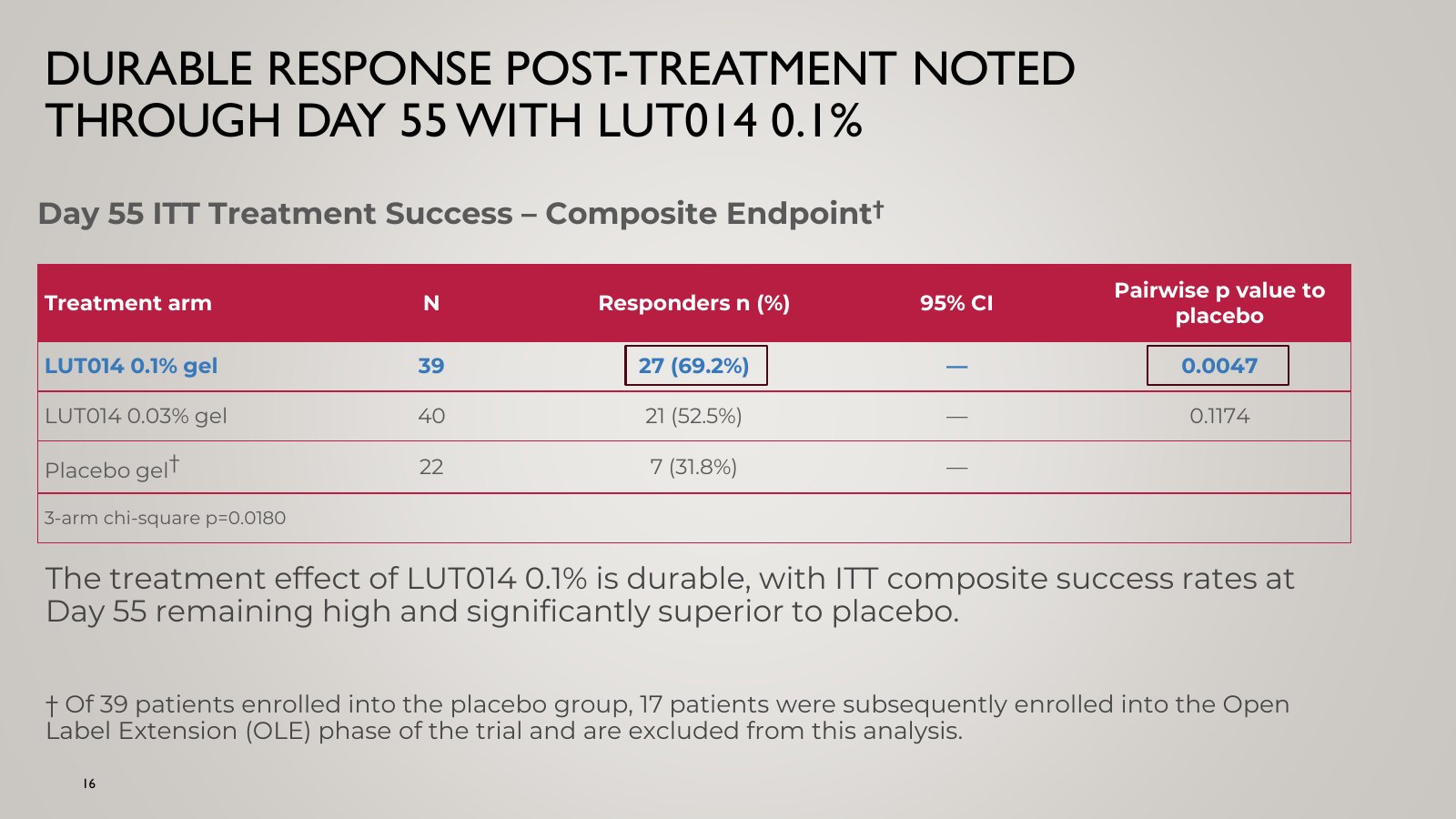
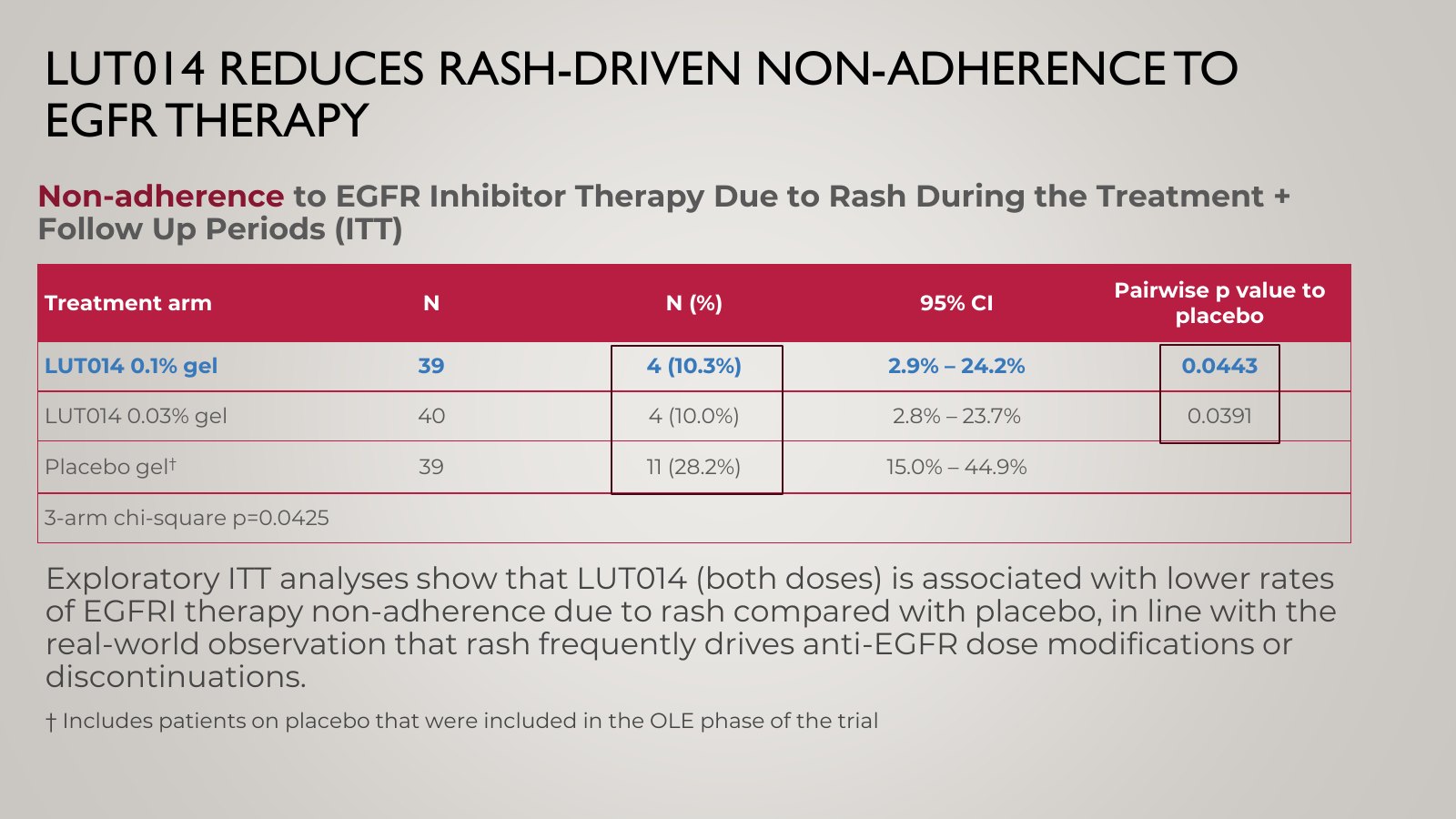
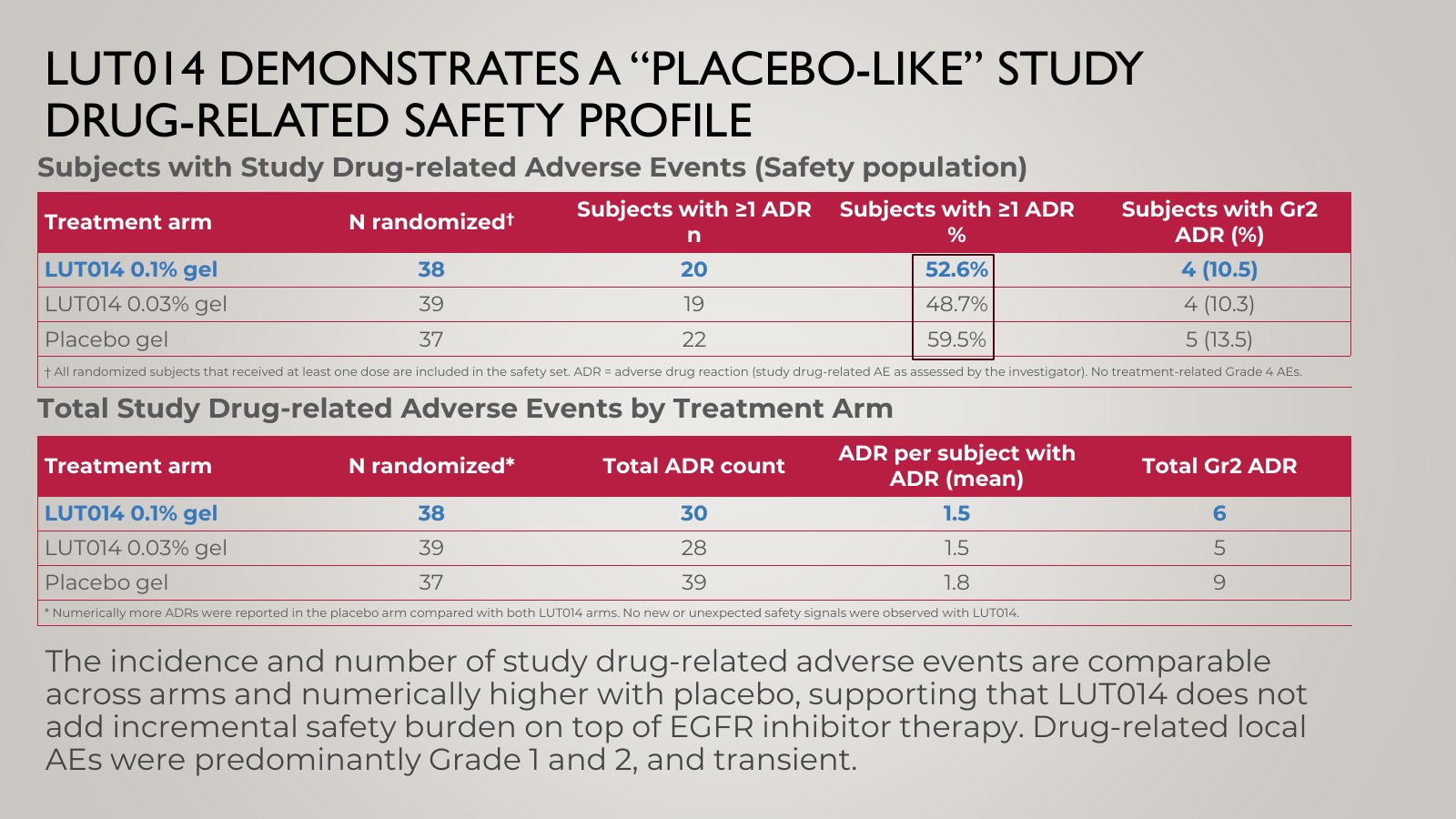
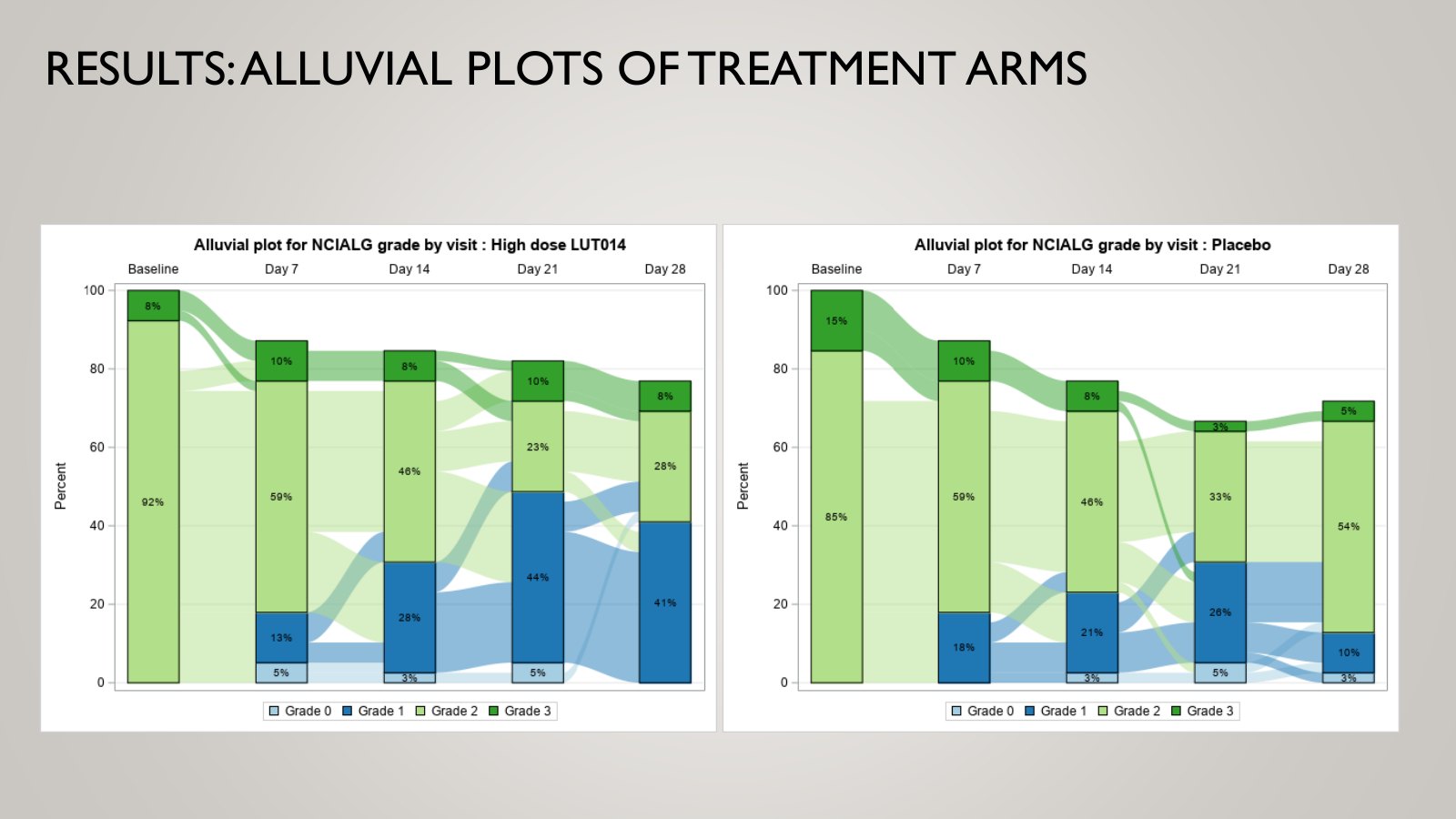
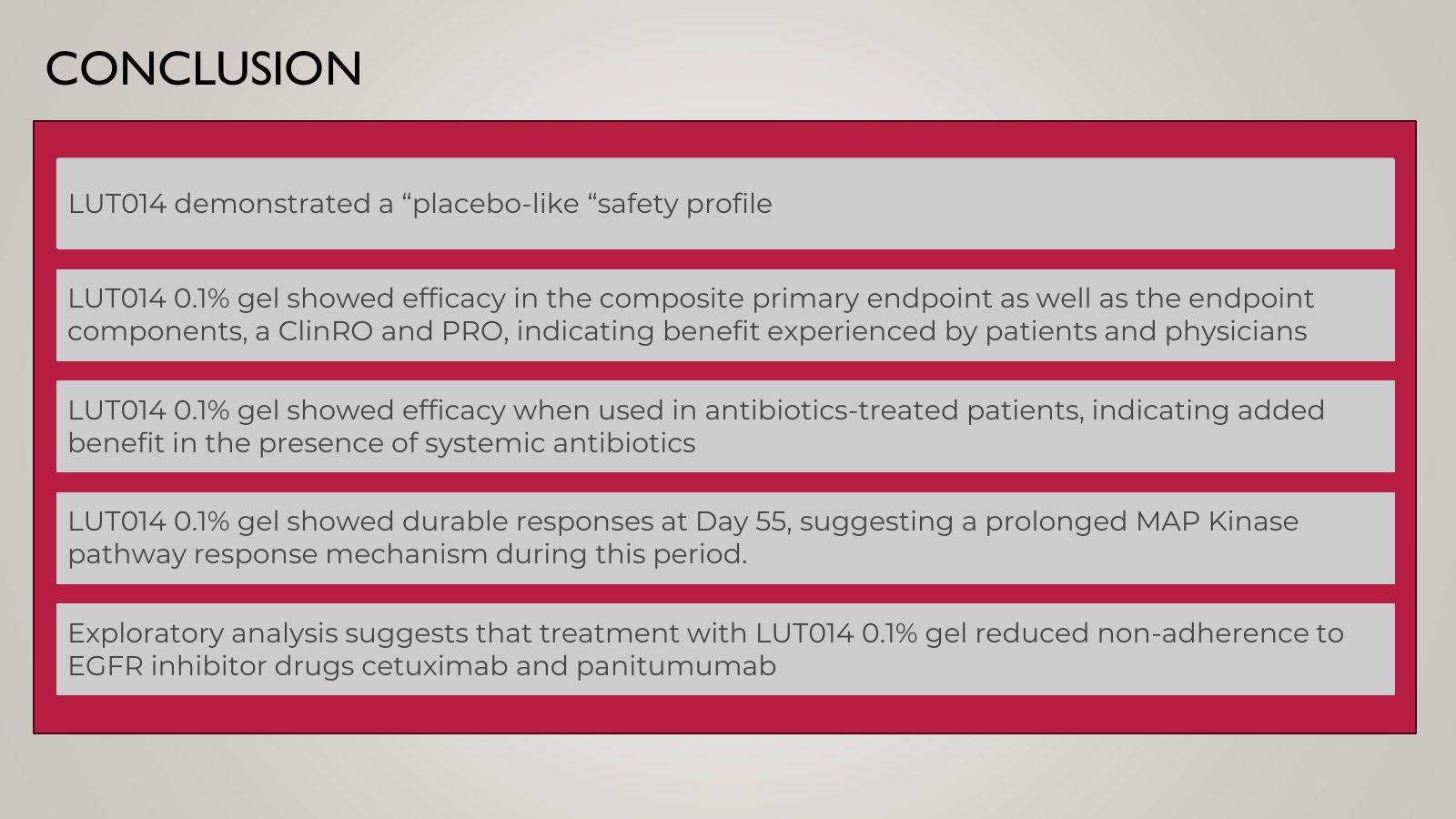
Treatment Success was achieved in 71.8% of the 0.1% gel arm, 52.5% of the 0.03% gel arm, and 38.5% of placebo. Benefit persisted beyond the 28-day treatment window and was observed with and without baseline systemic antibiotic use. EGFRI therapy interruption or reduction occurred in 10.3% of LUT014 0.1% gel recipients versus 28.2% in the placebo arm. LUT014 showed a placebo-like safety profile, with drug-related adverse events most commonly mild, local skin reactions. No dose-limiting toxicities or Grade 4 or 5 events occurred, and no new systemic safety signals were identified.
Conclusions
Topical LUT014 0.1% gel provides durable, mechanism-directed benefit for EGFRI-induced acneiform rash in CRC patients receiving cetuximab or panitumumab, independent of baseline systemic antibiotic use, and reduces EGFRI non-adherence. This topical B-RAF inhibitor restores keratinocyte MAPK signaling compared with current symptom-directed anti-inflammatory therapies.